
Replacing a dead key fob battery is usually the first thing to try when a push-button-start vehicle stops recognizing the key. But if the dashboard still says key fob not detected, the battery was probably not the only part of the system involved.
A modern smart key communicates with several vehicle components. The fob has to transmit the correct signal, the vehicle has to receive it, and the immobilizer has to recognize the programmed credential before the engine will start. A fresh coin-cell battery does not fix damaged electronics, lost programming, radio interference, or a fault on the vehicle side.
The next step is therefore to determine whether the problem follows the key fob or the car.
First, Make Sure the New Key Fob Battery Was Installed Correctly
A new battery can still leave the fob completely inactive if it was installed incorrectly.
Before moving into programming or vehicle diagnostics, reopen the fob and check the basic installation.
Look for These Battery Problems
- Wrong battery size
- Battery installed upside down
- Protective film left on the cell
- Bent battery contacts
- Loose internal contact
- Corrosion inside the fob
- Weak replacement battery
Coin-cell batteries have positive and negative sides, and the orientation matters. Use the battery type specified for the particular key rather than choosing another cell because it happens to fit inside the housing.
If the problem began immediately after changing the battery, recheck this step first.
Test the Spare Key Before Assuming the Car Is Broken
If you have a second programmed key, try it.
This is one of the fastest ways to divide the problem into two categories.
If the Spare Key Works Normally
The issue is more likely connected with the original fob.
Possible causes include:
- Damaged transmitter
- Lost programming
- Failed transponder
- Internal circuit damage
- Battery-contact problem
If Neither Key Is Detected
The vehicle deserves closer attention.
Possible causes can include:
- Smart-key receiver problem
- Antenna fault
- Vehicle battery issue
- Immobilizer or control-module problem
- Electrical fault
A second key therefore provides useful diagnostic information before any parts are replaced.
The Key Fob May Have Lost Its Programming
A new battery powers the transmitter. It does not automatically re-establish programming if the vehicle no longer recognizes the key.
Fast Response Locksmith identifies lost or incorrect programming as one reason a key may remain unrecognized even after its battery has been checked.
Programming Problems Can Appear After
- Fob replacement
- Electronic repair
- Vehicle battery disconnection
- Security-system work
- Failed programming attempt
- Certain module replacements
The exact behavior depends on the vehicle.
Some keys can be added through a manufacturer-defined procedure, while many modern vehicles need diagnostic programming equipment.
Do Not Follow Random Programming Instructions
Online key-programming procedures are often vehicle-specific.
A sequence written for one model year may not work on another generation of the same car.
Use instructions for the exact year, make, and model or have the key tested by an automotive locksmith or dealership.
Remote Buttons and the Immobilizer Are Not the Same System
This distinction explains many confusing key problems.
A key fob can perform more than one function.
Remote Function
Controls features such as:
- Lock
- Unlock
- Trunk
- Panic alarm
Immobilizer Function
Authorizes the vehicle to start.
A fob can sometimes unlock a vehicle but still fail the immobilizer check.
The reverse can also occur depending on the vehicle and key design.
Hyundai’s current owner documentation explains that an improperly coded key can be rejected by the immobilizer even when the physical key or smart key is present.
That is why “the lock button works” does not prove that the complete key is functioning properly.
The Transponder Chip May Be Damaged
Inside many keys is a transponder or smart-key circuit that forms part of the vehicle’s anti-theft system.
That component is separate from the replaceable battery.
A new battery cannot repair a failed transponder.
Fob Damage Can Come From
- Dropping the key
- Water exposure
- Cracked housing
- Static electricity
- Heat
- Internal circuit damage
Hyundai warns that moisture, static electricity, and rough handling can damage the transponder and cause immobilizer malfunction.
Signs the Fob Itself May Be Damaged
- Spare key works normally
- Buttons work only intermittently
- Fob recently got wet
- Housing is cracked
- Car stopped recognizing the key after it was dropped
In that case, programming may not solve the problem if the electronics themselves have failed.
Radio Interference Can Cause “Key Fob Not Detected”
A smart key communicates wirelessly with the vehicle.
Another signal can sometimes interfere with that communication.
Kia’s owner documentation notes that smart-key operation can be affected by nearby radio transmitters, other vehicles or objects, and even a smartphone kept close to the fob.
Hyundai similarly warns that another immobilizer key or nearby metal objects can interfere with key recognition.
Try Removing Nearby Objects
Move the fob away from:
- Smartphone
- Other smart keys
- Large metal keychains
- Electronic access cards
- Wireless devices
Then try starting the vehicle again.
Location Can Matter Too
Strong radio environments near certain facilities can sometimes cause temporary interference.
If the key works normally elsewhere but repeatedly fails in one location, interference deserves consideration.
Also Read: Common Mistakes to Avoid During a Car Lockout
The Car May Have an Emergency Key-Fob Start Method
Many push-button-start vehicles include a backup method for situations where the smart-key battery is weak, or the wireless signal is not being detected normally.
The exact method varies.
A common arrangement allows the driver to hold or press the fob against the Start/Stop button so the vehicle can recognize the key at very close range.
Check the Owner’s Manual for Terms Such As
- Emergency start
- Smart key not detected
- Key battery discharged
- Backup starting
- Immobilizer recognition
Do not assume every manufacturer uses the same procedure.
Why This Test Is Useful
If the car starts through the backup method but does not detect the fob normally from your pocket, the problem may involve:
- Fob transmission
- Weak or incorrect battery installation
- Antenna detection
- Interference
If the backup method also fails, programming or immobilizer problems become more likely.
Your Vehicle Battery Can Also Cause Key Detection Problems
The coin-cell battery inside the fob is not the only battery involved.
The vehicle’s 12-volt battery powers control modules, antennas, door electronics, and starting-system components.
If the vehicle battery becomes weak, electronic systems may behave unpredictably.
Look for Other Low-Vehicle-Battery Symptoms
- Dim interior lights
- Slow electrical response
- Clicking during startup
- Dashboard warning messages
- Several unrelated electronics malfunctioning
- Vehicle recently sat unused
If multiple electrical systems began acting strangely at the same time, test the vehicle battery before focusing only on the key.
A Smart-Key Antenna or Receiver Can Fail
The vehicle contains antennas or receivers that detect the smart key.
Depending on the model, there may be several detection points around the cabin, doors, trunk, and center console.
If one component stops working, the vehicle may fail to recognize a perfectly functional key.
Vehicle-Side Faults Can Include
- Smart-key antenna
- Receiver module
- Wiring
- Fuse
- Body control module
- Immobilizer module
- Communication network issue
This is where diagnostic testing becomes more important.
Replacing the key again will not repair a failed antenna inside the vehicle.
The Fob May Work Only When Very Close to the Car
Reduced operating range provides another clue.
If the key works when it is inches from the vehicle but stops working from a normal distance, investigate signal strength.
Fast Response Locksmith lists reduced range as a possible symptom of weak power, interference, or a programming problem.
Possible Causes
- Battery contact issue
- Poor-quality replacement battery
- Damaged transmitter
- Signal interference
- Internal antenna problem
Try another new battery from a reliable source before assuming the complete fob has failed.
Another Key Inside the Vehicle Can Cause Recognition Problems
Some immobilizer systems can become confused when more than one transponder key is present near the ignition or start area.
Hyundai specifically warns that another immobilizer key near the active key can interfere with normal transponder communication.
Remove
- Spare key from the center console
- Another vehicle’s key
- Large key bundles
- Metal objects around the fob
Then retry.
This is an easy test that costs nothing.
Key Fob Water Damage Can Appear Later
A fob does not always fail immediately after getting wet.
Moisture can reach the circuit board and create corrosion over time.
Common Water-Damage Situations
- Key went through the washing machine.
- Fob fell into water.
- Heavy rain soaked the key.
- Drink spilled inside a bag.
- Wet fob was closed before it dried.
Replacing the battery may temporarily restore some function while corrosion continues affecting another circuit.
If water exposure occurred before the key fob not detected message appeared, tell the technician.
That history can help avoid wasting time on repeated battery changes.
A Damaged Fob Housing Can Affect More Than Appearance
A cracked case may allow buttons to work while internal components move out of position.
Battery contacts can loosen.
The circuit board may flex.
Moisture can also enter more easily.
Replace the Housing or Key When
- Case no longer closes properly
- Battery will not stay seated
- Internal board moves
- Buttons are torn
- Key was heavily dropped or crushed
A replacement shell can solve some physical problems when the electronics remain good.
If the board itself is damaged, a complete replacement and programming may be needed.
What if the Car Says the Wrong Key Is Present?
Messages vary between manufacturers.
You may see:
- Key not detected
- No key detected
- Key not in vehicle
- Incorrect key
- Smart key system error
- Immobilizer warning
Do not treat every message as meaning exactly the same thing.
A “key not detected” message may indicate a signal communication.
An immobilizer warning may point more directly toward key authorization.
The owner’s manual can help interpret the specific dashboard message.
When Does the Key Need Reprogramming?
Reprogramming makes sense when testing suggests that the fob hardware is functioning but the vehicle no longer recognizes its electronic identity.
Possible Reprogramming Situations
- Replacement fob
- Used compatible key being added
- Key lost synchronization
- Security module replacement
- Complete key loss
- Immobilizer-related work
Fast Response Locksmith provides car key programming for automotive keys that need to be synchronized with the vehicle’s security system.
The exact programming method depends on the vehicle.
When Does the Key Fob Need Replacement Instead?
Programming cannot repair damaged electronics.
Replacement may be the better option when:
- Transmitter has failed
- The circuit board is corroded
- Fob was crushed
- Water damage is extensive
- Transponder is defective
- Internal components are missing
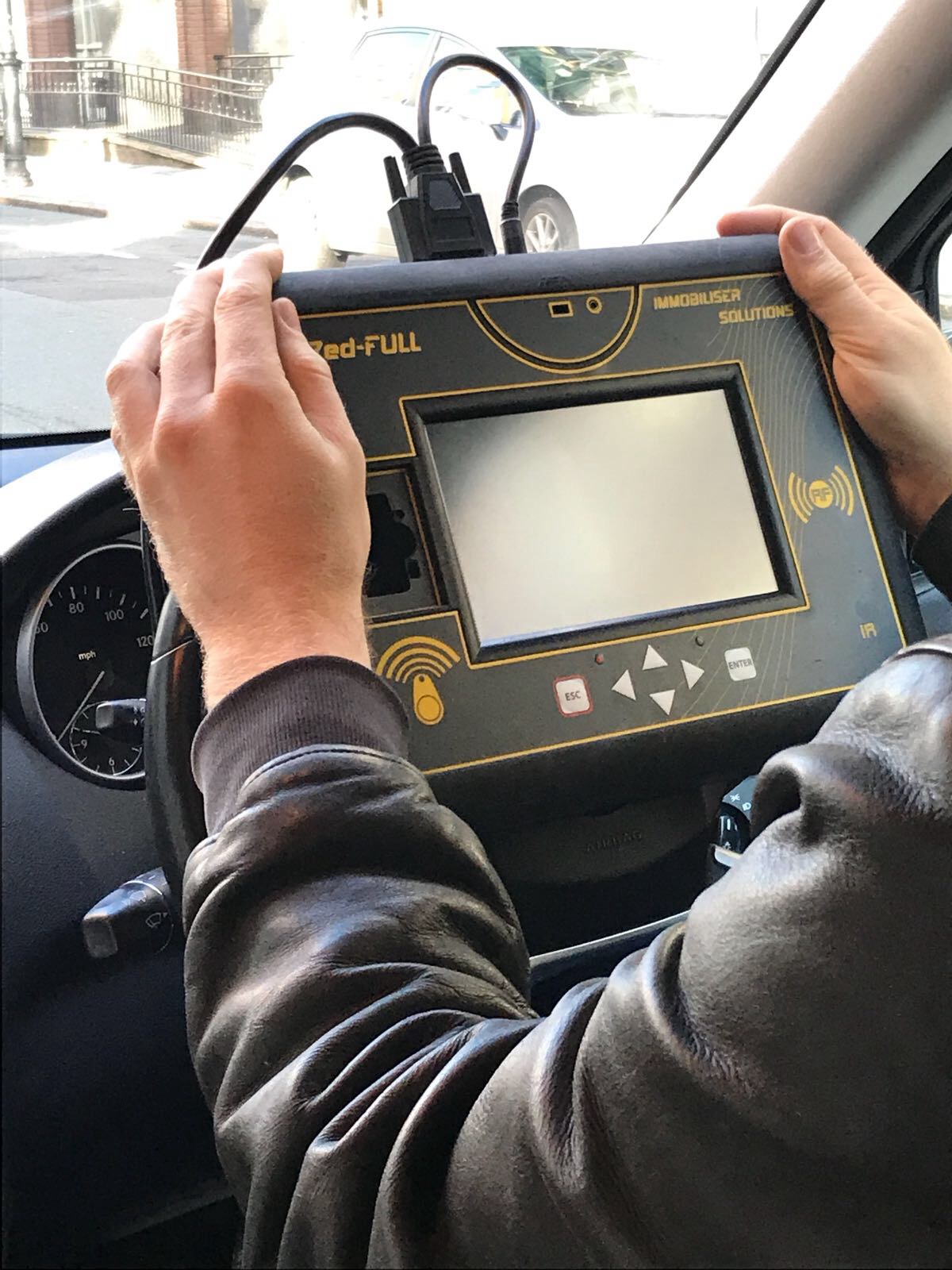
A diagnostic tool or key tester can help determine whether the fob is transmitting before another key is ordered.
Try These Steps Before Calling for Service
When the battery is already new, work through the simple possibilities first.
Key Fob Not Detected Checklist
Battery
- Confirm correct battery number.
- Confirm polarity.
- Check battery contacts.
- Try another quality battery.
Interference
- Move phone away from key.
- Remove other keys.
- Remove large metal objects.
- Try another location if interference is suspected.
Compare Keys
- Test the spare fob.
- Note whether both keys fail.
Vehicle
- Check whether the 12-volt battery seems weak.
- Look for other electrical warnings.
- Try the manufacturer’s emergency-start method.
Key Condition
- Check for water damage.
- Inspect for a cracked housing.
- Consider recent drops or impact.
The results of these checks can make professional diagnosis much faster.
Do Not Keep Buying Batteries When the Problem Does Not Change
A coin-cell battery is easy to replace, so it is tempting to repeat the same fix.
If two correctly installed new batteries produce exactly the same key fob not detected message, stop treating the issue as a battery problem.
The next step is to test:
- Fob signal
- Programming
- Transponder
- Vehicle receiver
- Immobilizer
- Vehicle electrical system
That gives you a better chance of fixing the actual fault rather than replacing inexpensive parts repeatedly.
Diagnose Whether the Problem Is the Key or the Vehicle
A new battery only powers the fob. It cannot restore lost programming, repair a damaged transponder, remove radio interference, or fix a failed smart-key antenna inside the vehicle. If the spare key works, focus on the original fob. If neither key works, the vehicle’s receiver, electrical system, or immobilizer deserves more attention.
Fast Response Locksmith provides automotive locksmith and car-key programming services in Atlanta, including key replacement and programming for vehicles that no longer recognize a key or fob. If your key fob is not detected after the battery has been installed correctly and basic interference checks do not help, contact Fast Response Locksmith to have the key and vehicle recognition system tested before replacing more parts.

